
Professional Tennis Court Resurfacing Services
If you own a tennis court in Texas, chances are it will need tennis court resurfacing every 4–8 years. But what does the process really involve? Understanding the resurfacing process can help homeowners, property managers, schools, and sports clubs plan effectively and avoid costly repairs.
At Build My Courts, we specialize in resurfacing tennis court surfaces, hard courts, clay courts, pickleball courts, synthetic turf, and even basketball court surfaces. Our experienced team knows how to handle Texas’s intense sun, occasional heavy rains, and humidity so your court’s surface remains safe, durable, and low maintenance. Whether you want to resurface a tennis court or improve the performance of a multi-sport sports facility, we ensure every step is done to the highest standards seen across the United States.
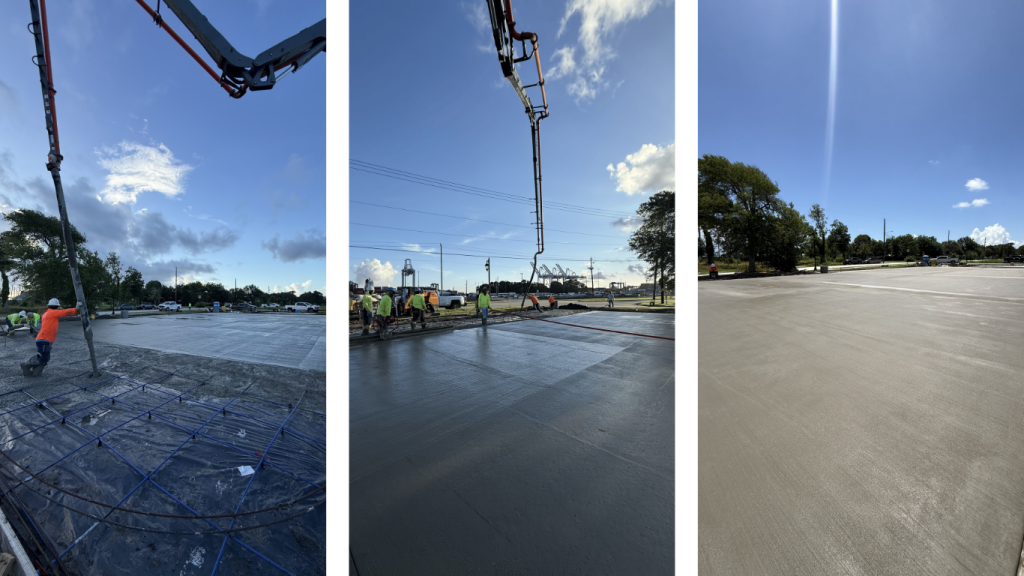
Step 1 — Cleaning and Preparing the Surface
Every successful resurfacing project starts with proper cleaning and preparation:
-
Using a pressure washer or power washer to remove pine needles, debris, dust, and birdbaths.
-
Clearing areas prone to water pooling or drainage issues.
-
Inspecting for small cracks, low spots, and uneven surfaces that could affect the playing experience.
Proper surface preparation ensures the new surface bonds correctly to the existing tennis court, helping prevent further damage and reducing future repair costs.
Step 2 — Structural Repairs and Crack Filling
Texas heat and heavy weather can create surface cracks on hard courts, clay courts, and sport court surfaces. During this stage, professionals perform crack repair using high-quality crack filler and acrylic patch binder:
-
Repair small cracks and level low spots for consistent ball bounce.
-
Address drainage issues to prevent water pooling.
-
Ensure the court is structurally sound to minimize tennis court resurfacing costs over time.
Using professional repair products reduces the likelihood of costly repairs while preserving the playing experience.
Step 3 — Applying Acrylic Resurfacer and Color Coatings
After repairs, a new acrylic coating is applied to restore and protect the court. This process includes:
-
Applying acrylic resurfacer to smooth the existing surface.
-
Adding two or more color coating layers in a variety of colors for durability, UV protection, and aesthetics.
-
Creating the proper texture for shock absorption, traction, and low maintenance performance.
This step ensures professional results for hard courts, Synthetic grass courts, Pickleball Courts, and Sport Court surfaces, helping extend the lifespan of your court across Texas.
Step 4 — Line Marking and Finishing Touches
Once the surface cures, precision court lines are added:
-
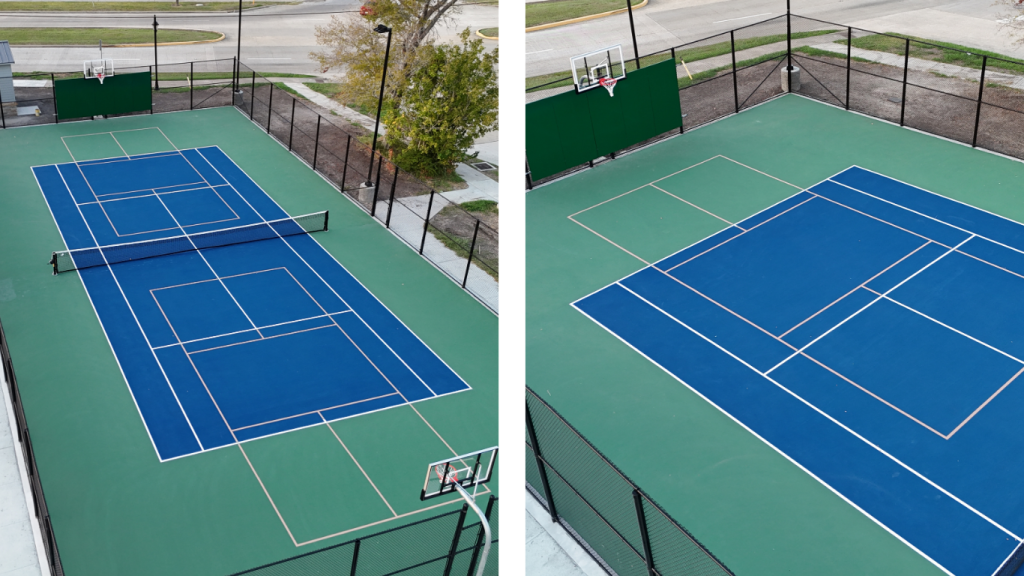
Layout is carefully measured for tennis courts, Pickleball Courts, or multi-sport sports surfaces.
-
Drying times vary with Texas humidity and heat, allowing the acrylic surface to bond fully.
A completed resurfacing job enhances both safety and the playing experience, while keeping Tennis court resurfacing costs manageable.
Step 5 — Post-Resurfacing Maintenance
Maintaining your court helps protect your investment and ensures longevity:
-
Perform regular maintenance to remove debris such as pine needles, dust, and leaves that could lead to surface cracks or uneven surfaces.
-
Inspect for minor cracks and use crack filler or acrylic patch binder as needed.
-
Follow a maintenance schedule to prevent costly repairs and maintain shock absorption and consistent ball bounce.
Seasonal inspections in Texas help with drainage issues, water pooling, and sun-related wear, keeping all surface types — from hard courts to Synthetic Turf — in peak condition.
How Often Should You Resurface Your Tennis Court?
General resurfacing timeline
-
Many tennis facility and construction experts recommend resurfacing most courts on a 4–8 year cycle to keep play safe, consistent, and attractive.
-
Some technical guidelines for acrylic hard courts suggest a wider 8–12 year window when the base is well designed and maintained
By surface type
-
Hard courts (asphalt, acrylic, concrete): Typically resurfaced every 4–8 years, with busy clubs and parks on the shorter end of that range and lightly used private courts on the longer end.
-
Clay courts: Need the most attention and often require resurfacing or major top-dressing every 1–3 years, in addition to regular grooming.
-
Synthetic grass/turf: Often lasts longer between major resurfaces, commonly around 10–20 years with good upkeep, though spot repairs may be needed sooner.
Usage and climate factors
-
High-use courts at clubs, schools, and public parks often need resurfacing closer to every 4–5 years, while low-use residential courts may stretch to 7–8+ years if well maintained.
-
Harsh climates with freeze–thaw cycles, intense sun, or poor drainage shorten the resurfacing interval because they accelerate cracking, fading, and surface wear.
Signs it’s time to resurface
Regardless of age, you should plan resurfacing when you see:
-
Growing cracks, birdbaths (water pooling), or uneven bounce.
-
Faded color, worn lines, slippery spots, or loss of texture and traction that players notice during play.
If these issues are widespread or structural (severe heaving, sinking, or ongoing drainage failures), a full reconstruction rather than simple resurfacing may be needed.
Request a Free Tennis Court Resurfacing Quote
Tennis court resurfacing is more than a cosmetic upgrade — it restores safety, performance, and aesthetics to your sports facility. Whether you want to resurface a tennis court, repair surface cracks, or apply a new acrylic coating, Build My Courts provides professional services trusted across Houston, Austin, Dallas, and San Antonio, Texas.
From tennis court builders to experienced resurfacing professionals, we handle every resurfacing job with care, keeping your existing tennis court or type of court safe, durable, and low maintenance.
Ready to upgrade your court? Contact Build My Courts today for a free consultation and discover how we can transform your tennis court, Pickleball Court, or multi-sport facility into a safe, professional-quality surface that lasts. Let’s make your court the best it can be — durable, visually stunning, and ready for every game.
???? Call us at (346)-597-3245
???? Email us at info@buildmycourts.com
???? Or contact us online to get your free quote today!